一廂情願
- 一相情願
- 一厢情愿
- 一相情愿
Etymology graph
- inherited
- borrowed
- derived
- parts
- meaning component
- sound component
- related
點擊節點放大 · Click a node to zoom in
Origin
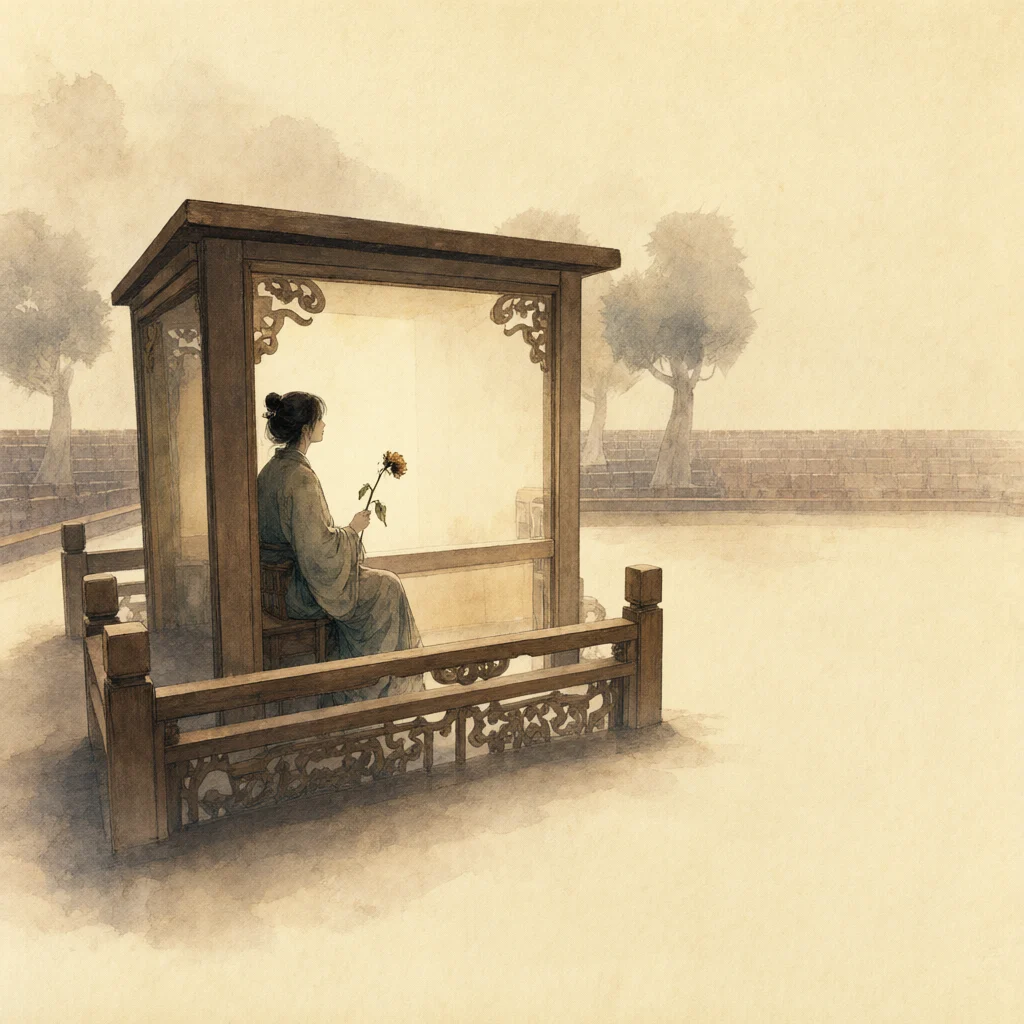
The phrase 一廂情願 refers to one's own wishful thinking, unilateral willingness, or unrequited love. It describes something that originates entirely from a single party's subjective will, regardless of the wishes of others.
The phrase is composed of four characters: 一 (one), 廂 (wing; side room; theater box), 情 (feeling; emotion; sentiment; mood), and 願 (to desire; to want; to wish).
In the character 情, the semantic component is 心 (heart) and the phonetic component is 青 (blue-green; blue; green). The character 願 contains the semantic component 頁 (sheet of paper) and the phonetic component 原 (original; former; primary; prime; virgin). The component 原 contains the components 泉 (springwater) and 厂 (cliff; habitable cave on a cliff). The component 頁 contains the components 首 (head) and 卩 (kneeling person).
Confidence: high · written by gemma4:26b, checked statement-by-statement against the sources below.
「一廂情願」由「一」、「廂」、「情」、「願」四個字組成。「一」代表數字一;「廂」指側邊的房間、翼或戲院的包廂;「情」指情感、情緒或心境,其字形包含表示心意的「心」字部件,以及作為音符的「青」字;「願」則指渴望、想要或願望,其字形包含「頁」字部件,並以「原」字作為音符。
在字形構成上,「情」字的音符「青」由「生」與「井」組成,而「生」字包含「屮」與「一」;「願」字的音符「原」由「泉」與「厂」組成,其中「泉」字包含「白」與「水」;「頁」字則由「首」與「卩」組成。此外,「青」字亦包含「生」與「井」等部件。
Confidence: high · written by gemma4:26b, checked statement-by-statement against the sources below.
Lineage
- characterChinese一 “one”
- characterChinese廂 “wing; side room; theater box”
- characterChinese情 “feeling; emotion; sentiment; mood”
- meaningChinese心 “heart (Classifier: 顆/颗 m; 個/个 c; 粒 mn)”
- soundChinese青 “blue-green ("grue"); blue (of sky, stone etc.); green (of grass, plants, mountains etc.)”
- soundChinese生 “to live; to subsist; to exist”
- ideaChinese屮 “new birth of plant”
- soundChinese井 “well (a hole sunk into the ground) (Classifier: 口; 眼)”
- soundChinese生 “to live; to subsist; to exist”
- characterChinese願 “to desire; to want: to wish”
Wiktionary etymology text
No etymology text yet. The graph shows what is known from the sources.
Sources
- etymagent (local gemma4:26b) — Generated
- 教育部《國語辭典簡編本》 (Taiwan MOE) — CC BY-ND 3.0 TW
- Written form — n/a
- Wiktionary (via Wiktextract / kaikki.org) — CC BY-SA 4.0