以身作則
- 以身作则
Etymology graph
- inherited
- borrowed
- derived
- parts
- meaning component
- sound component
- related
點擊節點放大 · Click a node to zoom in
Origin
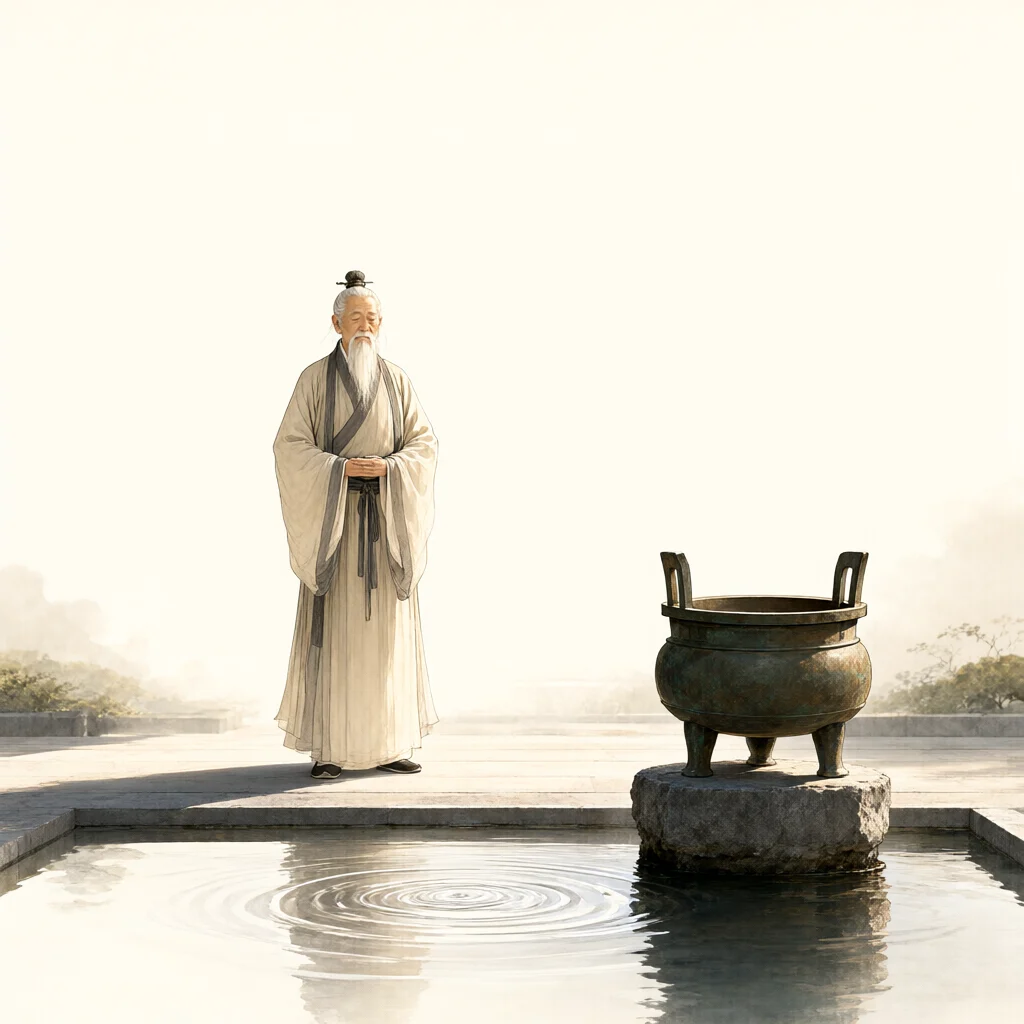
The phrase is composed of four characters. 以 is a preposition expressing a boundary in time, orientation, or direction. 身 means body. 作 means to get up from a place; it is formed with the semantic component 人 (man or person) and the phonetic component 乍 (suddenly). 則 means rule, law, or regulation, containing the components 鼎 (an ancient three-legged bronze cauldron) and 刀 (knife or blade).
Together, the expression describes the act of using one's own conduct and behavior to serve as a model for others.
Confidence: high · written by gemma4:26b, checked statement-by-statement against the sources below.
這個成語由四個漢字組成。其中「以」作為介詞,用來表達時間、方向或界限;「身」代表身體;「作」的意思是從某處起身;「則」則指規則、法律或規範。
在字形結構上,「作」字包含語義成分「人」,並以「乍」作為音符。「則」字則是由「鼎」(一種用於烹飪或祭祀的三足青銅器)與「刀」這兩個部件所組成。
Confidence: high · written by gemma4:26b, checked statement-by-statement against the sources below.
Lineage
- characterChinese以 “a preposition that expresses a boundary in time, orientation, direction or quantity”
- characterChinese身 “body”
- characterChinese作 “to get up (from a place)”
- meaningChinese人 “man; person; people (Classifier: 個/个 m c; 隻/只 h)”
- soundChinese乍 “suddenly”
- characterChinese則 “rule; law; regulation”
- ideaChinese鼎 “ding (ancient large, three-legged bronze cauldron for cooking or sacrificial rituals)”
- ideaChinese刀 “knife; blade (Classifier: 把 m c g h j mb md w x; 張/张 c h; 叢/丛 mn; 支 mn mn-t)”
Wiktionary etymology text
No etymology text yet. The graph shows what is known from the sources.
Sources
- etymagent (local gemma4:26b) — Generated
- 教育部《國語辭典簡編本》 (Taiwan MOE) — CC BY-ND 3.0 TW
- Written form — n/a
- Wiktionary (via Wiktextract / kaikki.org) — CC BY-SA 4.0