獨立自主
- 独立自主
Etymology graph
- inherited
- borrowed
- derived
- parts
- meaning component
- sound component
- related
點擊節點放大 · Click a node to zoom in
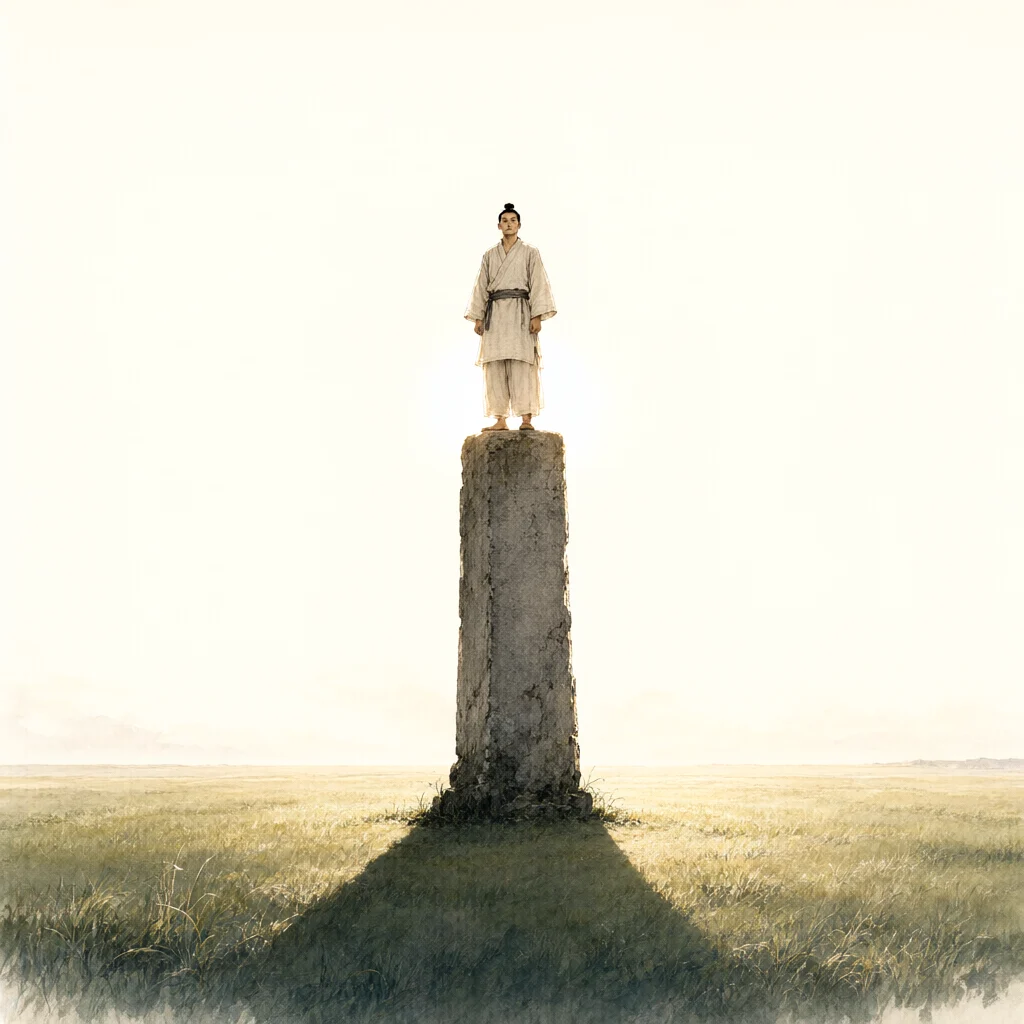
Origin
The phrase 獨立自主 is formed from four characters. The character 獨 means alone, single, or solitary; it contains the semantic component 犬 (dog) and the phonetic component 蜀 (the name of an ancient Chinese state). The character 立 means to stand. The character 自 means self, oneself, or one's own, and the character 主 means owner or master.
While usage may be attested before the founding of the People's Republic of China, the phrase was popularized by Mao Zedong during that period.
Confidence: high · written by gemma4:26b, checked statement-by-statement against the sources below.
這個詞組由四個漢字組成。其中「獨」字包含「犬」作為意符,並以古代國名「蜀」作為聲符,其本身具有單獨、單一或孤獨的意思;「立」字則代表站立。此外,「自」字意指自己或自身,「主」字則代表主人或擁有者。
在歷史使用上,雖然這個詞組可能在更早之前就已有記載,但它是在中華人民共和國成立期間,由毛澤東所推廣而變得普及。
Confidence: high · written by gemma4:26b, checked statement-by-statement against the sources below.
Lineage
Wiktionary etymology text
Popularized by Mao Zedong during the founding of the People's Republic of China, however usage may be attested before then.
From Wiktionary, CC BY-SA 4.0.
Sources
- etymagent (local gemma4:26b) — Generated
- Written form — n/a
- Wiktionary (via Wiktextract / kaikki.org) — CC BY-SA 4.0
- Wiktionary: 獨立自主