發號施令
- 发号施令
Etymology graph
- inherited
- borrowed
- derived
- parts
- meaning component
- sound component
- related
點擊節點放大 · Click a node to zoom in
Origin
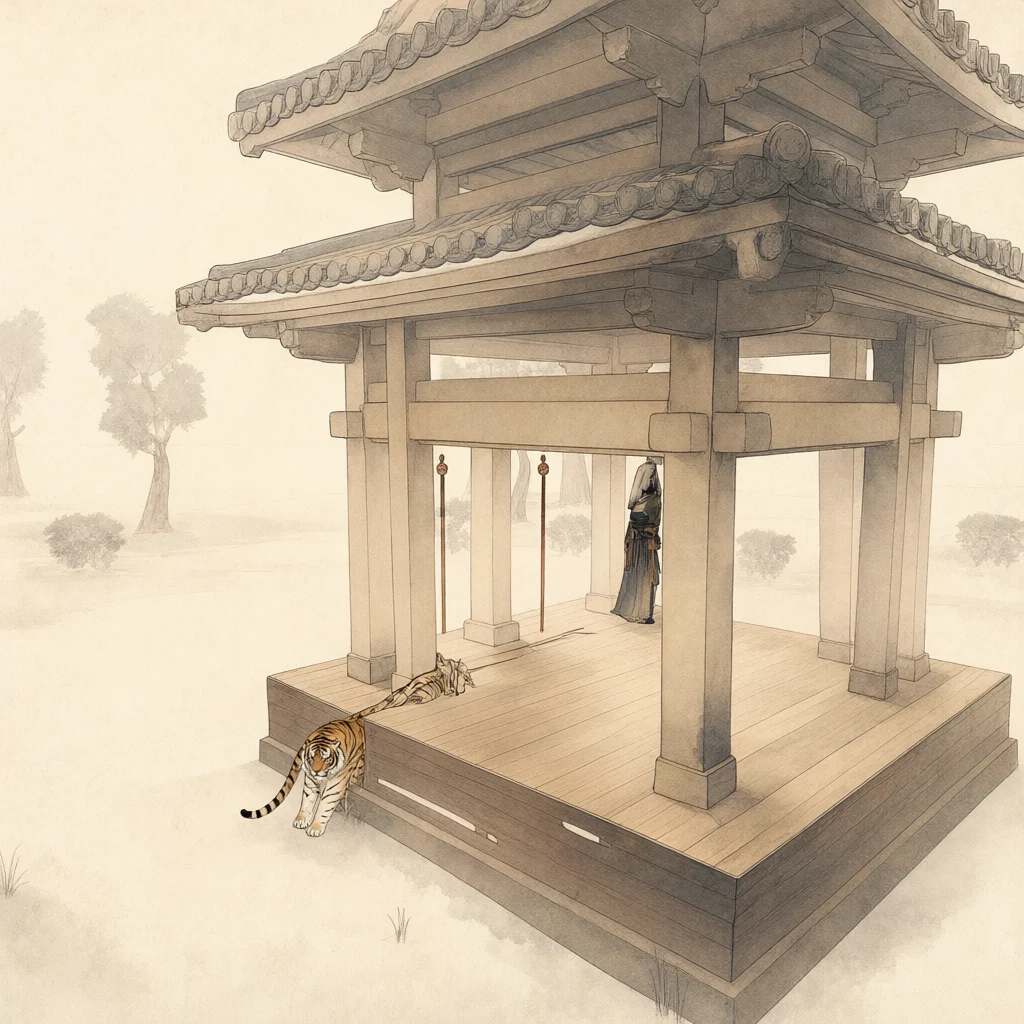
The phrase 發號施令 is composed of four characters. The character 發 means to shoot or to launch. The character 號 means name or alias; it contains the semantic component 虎 (tiger) and the phonetic component 号 (to wail). The character 施 means flag fluttering or flag waving, formed with the semantic component 㫃 (appearance of flags flying) and the phonetic component 也.
The final character, 令, means to order or to command. It is composed of the components 亼 (mouth) and 卩 (kneeling person). The component 亼 is itself formed from 入 (to enter; to go into) and 一 (one). The phonetic component of 號, 号, is composed of 口 (mouth) and 丂 (the appearance of air which is to be released), where 丂 is formed from 𠃑 and 一.
Confidence: high · written by gemma4:26b, checked statement-by-statement against the sources below.
Lineage
- characterChinese發 “to shoot; to launch”
- characterChinese號 “name; alias”
- characterChinese施 “flag fluttering; flag waving”
- meaningChinese㫃 “appearance of flags flying”
- soundChinese也 “Particle used at the end of copular constructions involving a nominal predicate; to be (although no…”
- characterChinese令 “to order; to command”
- ideaChinese亼 “mouth”
- ideaChinese入 “to enter; to go into”
- ideaChinese卩 “kneeling person”
- ideaChinese亼 “mouth”
Wiktionary etymology text
First attested in the 2nd century BCE in Huainanzi
From Wiktionary, CC BY-SA 4.0.
Sources
- etymagent (local gemma4:26b) — Generated
- 教育部《國語辭典簡編本》 (Taiwan MOE) — CC BY-ND 3.0 TW
- Written form — n/a
- Wiktionary (via Wiktextract / kaikki.org) — CC BY-SA 4.0
- Wiktionary: 發號施令