源etymfun
About

Etymology data from Wiktionary via Wiktextract (CC BY-SA 4.0). Chinese character data from the 說文解字, the Taiwan MOE 國語辭典簡編本 (CC BY-ND 3.0 TW) and HSK/TOCFL lists.

Explanations are written by a local model (gemma4) and only published after a verification pass against the cited sources. How it works.

Chinese

自欺欺人

/t͡sɹ̩⁵¹ t͡ɕʰi⁵⁵ t͡ɕʰi⁵⁵ ɻən³⁵/
to deceive oneself as well as others; to fool oneself alongside others
    Post Share

    Etymology graph

    • inherited
    • borrowed
    • derived
    • parts
    • meaning component
    • sound component
    • related
    React Flow
    Press enter or space to select a node. You can then use the arrow keys to move the node around. Press delete to remove it and escape to cancel.
    Press enter or space to select an edge. You can then press delete to remove it or escape to cancel.

    點擊節點放大 · Click a node to zoom in

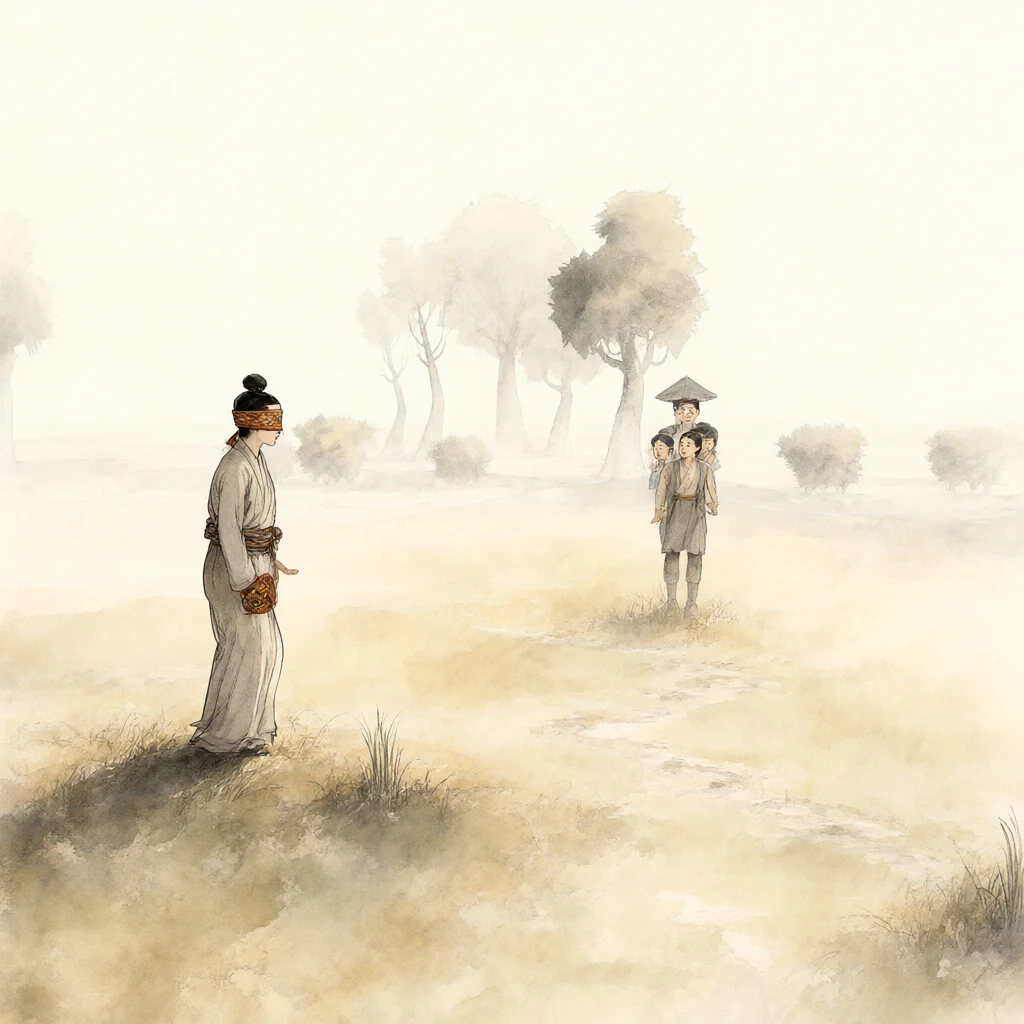
    The phrase describes the act of wearing a blindfold that deceives both the wearer and those watching them.
    The phrase describes the act of wearing a blindfold that deceives both the wearer and those watching them.

    Origin

    The phrase 自欺欺人 is formed from the characters 自, meaning self or oneself; 欺, meaning to cheat or deceive; and 人, meaning man, person, or people. According to the MOE Dictionary, the expression describes the act of not only deceiving oneself but also deceiving others.

    The character 欺 consists of a semantic component 欠, meaning to lack or be deficient, and a phonetic component 其, meaning his, her, its, or their.

    Confidence: high · written by gemma4:26b, checked statement-by-statement against the sources below.

    「自欺欺人」是由「自」、「欺」與「人」等字組成的成語。其中,「自」代表自己或自身;「人」指人、人類或個人;「欺」則有欺騙或詐欺的意思。

    在字形結構上,「欺」字包含兩個部分:「欠」作為意義組成部分,代表缺乏或不足;「其」則作為聲音組成部分,負責提供讀音。這個詞彙描述了一種既自欺又欺人的行為狀態。

    Confidence: high · written by gemma4:26b, checked statement-by-statement against the sources below.

    Lineage

    • characterChinese自 “self, oneself; one's own”
    • characterChinese欺 “to cheat; to deceive”
      • soundChinese其 “his; her; its; their”
      • meaningChinese欠 “to lack; to be deficient”
    • characterChinese人 “man; person; people (Classifier: 個/个 m c; 隻/只 h)”
    Wiktionary etymology text

    No etymology text yet. The graph shows what is known from the sources.

    Meanings

    phrase
    1. to deceive oneself as well as others; to fool oneself alongside others

    國語辭典 definitions

    1. 不但欺騙自己,也欺騙他人。 例:他這種作法只不過自欺欺人而已,怎能改變既成的事實呢?

    © Ministry of Education, Taiwan — CC BY-ND 3.0 TW, shown unaltered.

    Sources

    • etymagent (local gemma4:26b) — Generated
    • 教育部《國語辭典簡編本》 (Taiwan MOE) — CC BY-ND 3.0 TW
    • Written form — n/a
    • Wiktionary (via Wiktextract / kaikki.org) — CC BY-SA 4.0