袖手旁觀
- 袖手旁观
Etymology graph
- inherited
- borrowed
- derived
- parts
- meaning component
- sound component
- related
點擊節點放大 · Click a node to zoom in
Origin
The phrase comes from a funeral oration by Han Yu dedicated to his deceased friend Liu Zongyuan. It is composed of four characters: 袖 (sleeve), 手 (hand), 旁 (side; beside; close by), and 觀 (to observe; to watch; to view; to see).
In terms of character formation, 袖 contains the semantic component 衣 (garment; clothes; clothing) and the phonetic component 由 (cause; reason). The character 旁 uses the semantic component 同 (same; identical) and the phonetic component 方 (side; aspect; party). The character 觀 consists of the semantic component 見 (to see) and the phonetic component 雚 (the original form of 鸛/鹳). The component 見 is itself formed from 目 (eye) and 卩 (kneeling person).
Confidence: high · written by gemma4:26b, checked statement-by-statement against the sources below.
「袖手旁觀」源自韓愈為悼念好友柳宗元所寫的一篇祭文。這個成語由四個漢字組成:「袖」指袖子,由表示衣服的「衣」作為意義組成部分,並以「由」作為聲音組成部分;「手」指手;「旁」指旁邊,由「同」作為意義組成部分,並以「方」作為聲音組成部分;「觀」則指觀察、觀看,由「見」作為意義組成部分,並以「雚」作為聲音組成部分。
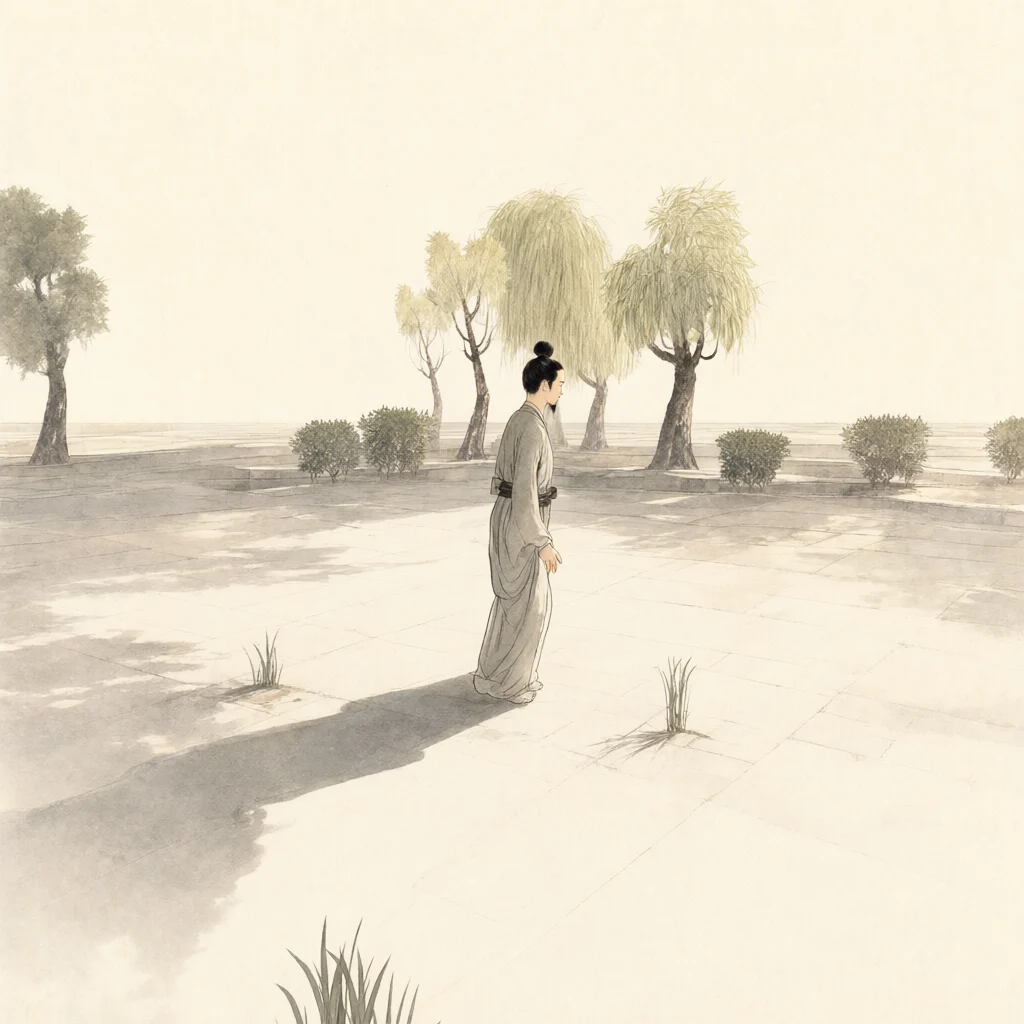
在字形的構成上,「見」字本身包含「目」與「卩」兩個組成部分。透過這些字元的組合,成語描繪出將手收於袖中、在旁邊觀望的動作,用以形容站在一旁觀看卻不採取任何行動的狀態。
Confidence: high · written by gemma4:26b, checked statement-by-statement against the sources below.
Lineage
Wiktionary etymology text
From a funeral oration by Han Yu dedicated to his deceased friend Liu Zongyuan
From Wiktionary, CC BY-SA 4.0.
Sources
- etymagent (local gemma4:26b) — Generated
- 教育部《國語辭典簡編本》 (Taiwan MOE) — CC BY-ND 3.0 TW
- Written form — n/a
- Wiktionary (via Wiktextract / kaikki.org) — CC BY-SA 4.0
- Wiktionary: 袖手旁觀